0
Austin-Round Rock-San Marcos metro residents added between 2023 and 2024
0
Williamson County residents in July 2024 (+19.4% vs. 2020 base)
0
Travis County residents in July 2024 (+5.7% vs. 2020 base)
Manage growth with existing assets
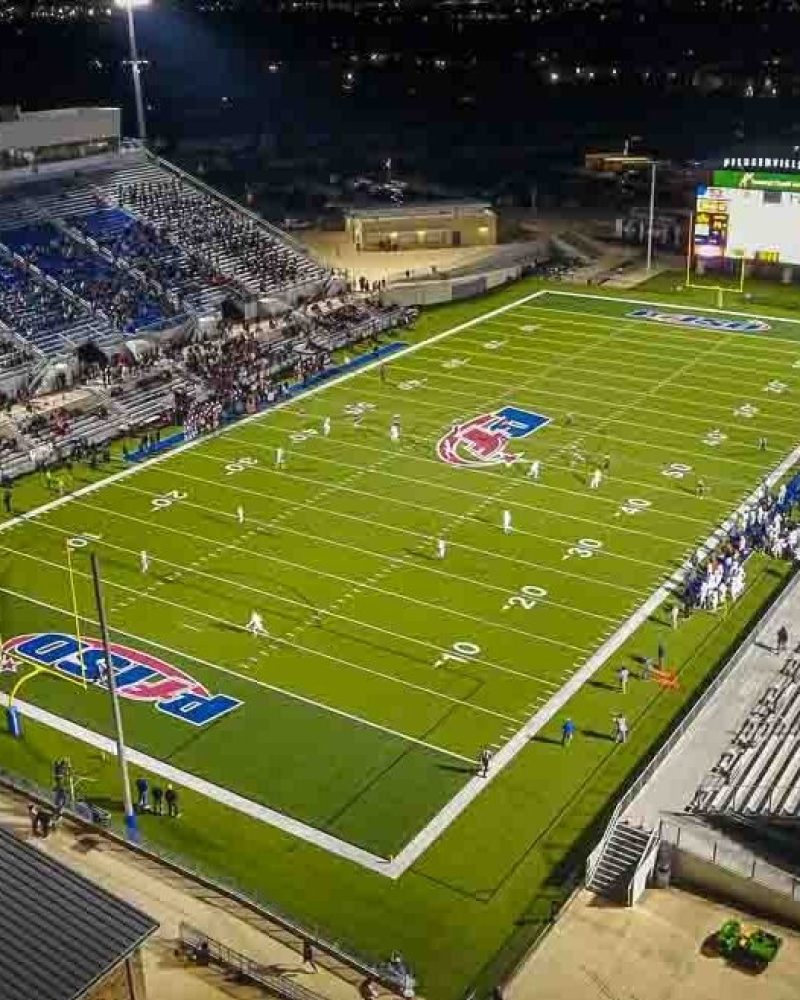
The Pfield allows officials to evaluate sports-driven economic activity using an existing public venue, existing event procedures, and an already-established spectator environment.
Support recreation and family programming
Summer football dates can complement youth camps, school recognition nights, nonprofit outreach, and family entertainment priorities across fast-growing suburban communities.
Stimulate local commerce
Recurring game days support sponsor activity, dining and retail visits, vendor participation, and repeat consumer trips that extend beyond the stadium gates.
Align with corridor mobility investment
Regional access continues to evolve through I-35 and SH 130 improvements, strengthening same-day drive markets between Georgetown, Pflugerville, Austin, New Braunfels, and San Antonio.
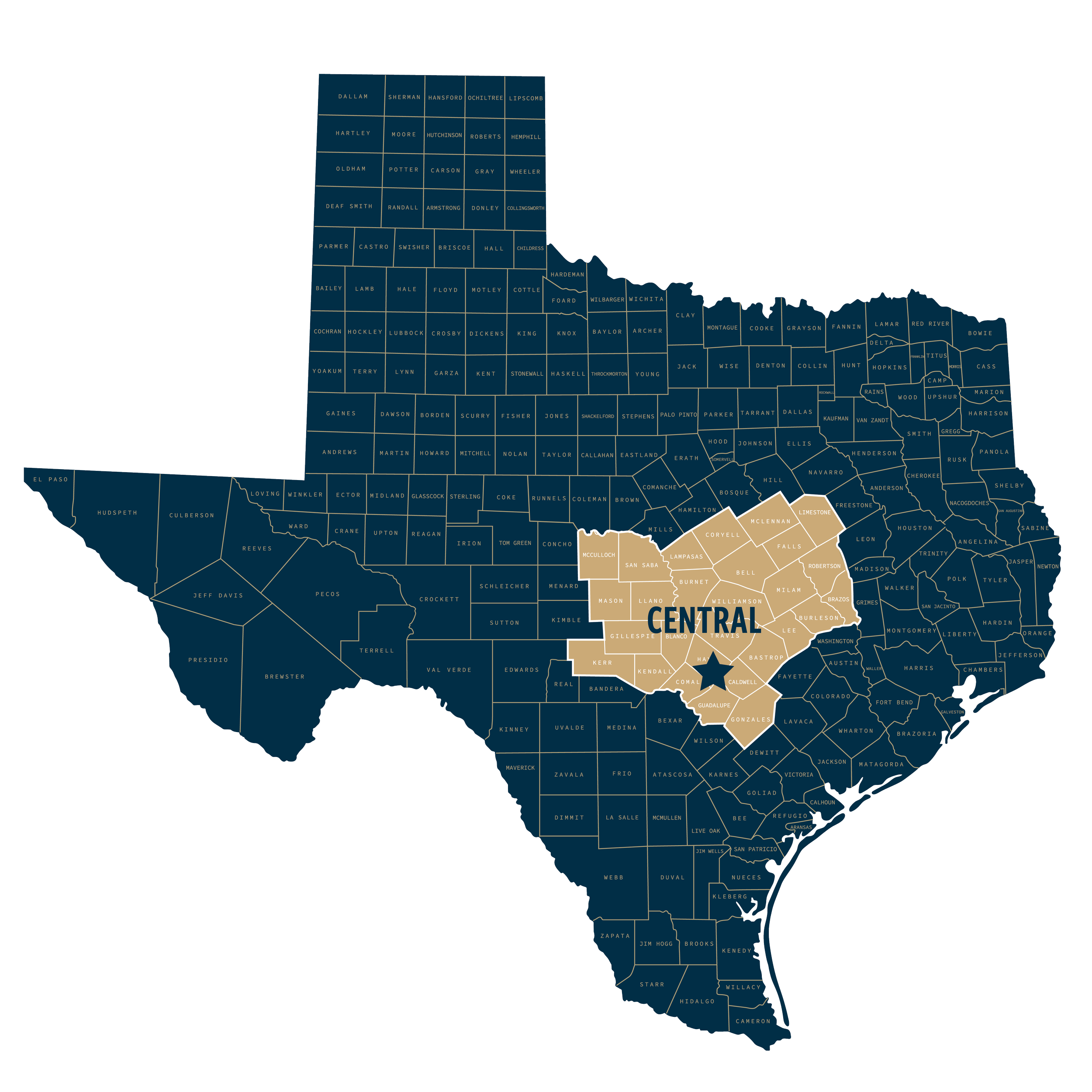
Greater Central Texas corridor
Scheduled rivalry pair
- May 30, 2026 — home vs. San Antonio Toros at The Field
- June 20, 2026 — away at San Antonio
- Team sponsorship examples already feature the San Antonio matchup as a marquee presentation game
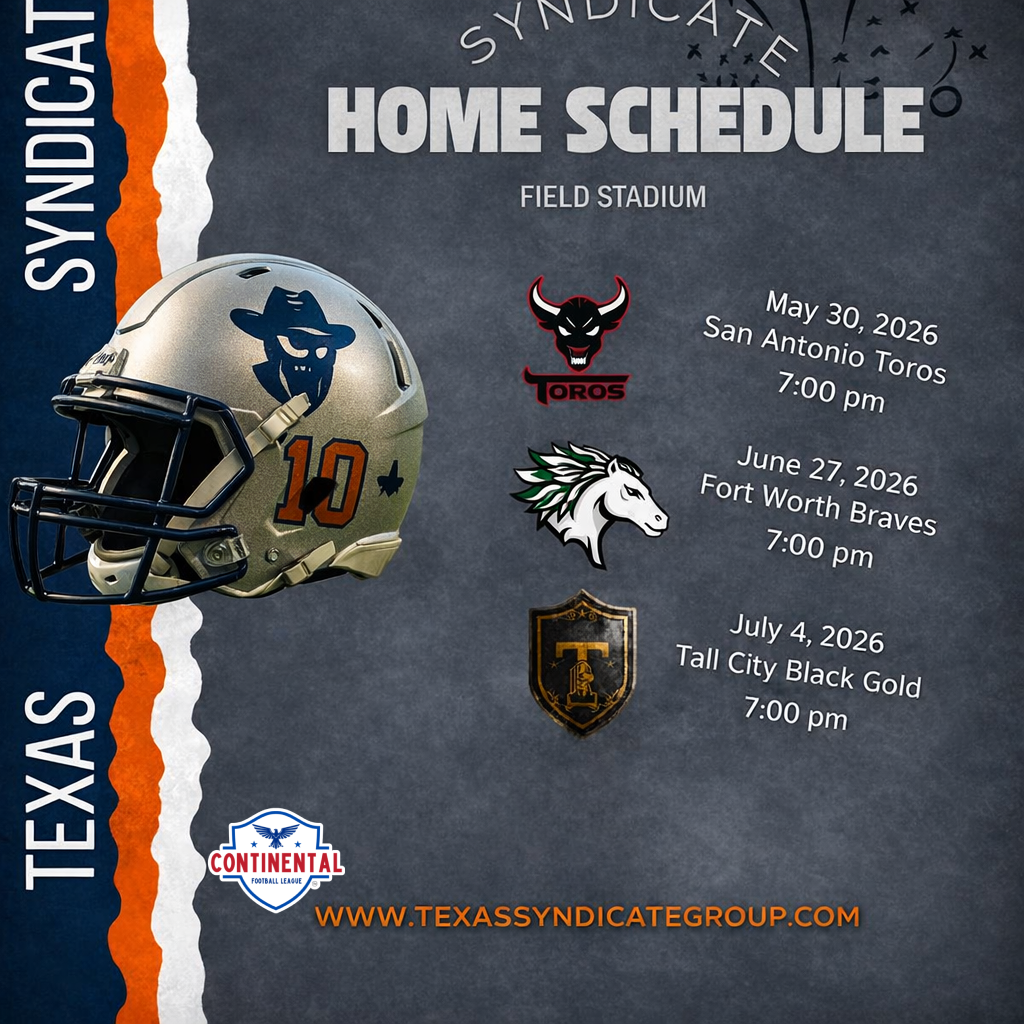

Home rivalry sensitivity
Why officials should care
Rivalry dates are the strongest candidates for higher attendance, cross-market media attention, sponsor showcases, and travel-based consumer activity that reaches beyond the host neighborhood.
Policy-aligned activation ideas
- City-sponsored tailgates and vendor markets
- Chamber / EDC business showcases
- Public-safety and mobility coordination dry run
- Community recognition nights and corridor branding
- Annual “Rivalry Weekend” tourism packaging

- Youth football camps and summer clinics
- School, nonprofit, and parks-department partner days
- Mental-health awareness programming tied to athlete stories
- Community-service spotlights, scholarship nights, and local-vendor showcases
- Family-friendly game-day experiences that reinforce regional unity through sports
2026 timeline
Requested support areas
- Venue and operating coordination
- City/county endorsement and tourism amplification
- Public-safety and mobility planning alignment
- Introductions to EDC, chamber, school, nonprofit, and community partners
- Exploration of a recurring Pflugerville-hosted “Rivalry Weekend”
Season window: May–July 2026
Home venue: The PfieId
What public goals should be attached to the inaugural season—and which partners should be at the table before kickoff?